
The Ultimate Guide to Visiting Machu Picchu: Everything You Need to Know
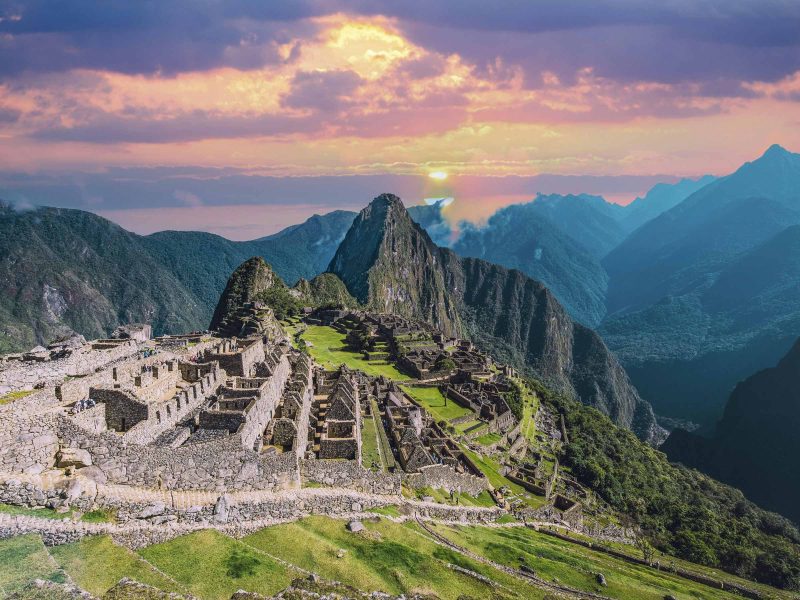
Machu Picchu, the ancient Incan city nestled high in the Andes Mountains of Peru, is a bucket-list destination for travelers worldwide. Its mystical ruins, breathtaking landscapes, and rich history make it one of the most iconic archaeological sites on the planet. However, planning a trip to this UNESCO World Heritage Site requires careful preparation to ensure a smooth and unforgettable experience. In this comprehensive guide, we’ll cover everything you need to know to visit Machu Picchu, from getting there to what to pack and tips for making the most of your journey.
Why Visit Machu Picchu?
Machu Picchu, often called the “Lost City of the Incas,” was built in the 15th century and abandoned a century later, only to be rediscovered in 1911 by explorer Hiram Bingham. Perched at 2,430 meters (7,970 feet) above sea level, it offers a glimpse into Incan engineering, culture, and spirituality. Surrounded by lush cloud forests and dramatic peaks, the site’s beauty is unmatched, making it a must-visit for history buffs, adventure seekers, and nature lovers alike.
Whether you’re hiking the Inca Trail, exploring the ruins, or simply soaking in the panoramic views, Machu Picchu promises an adventure of a lifetime. But the journey requires planning—here’s how to do it right.
When to Visit Machu Picchu
Best Time to Go
The best time to visit Machu Picchu is during the dry season, from May to October, when the weather is generally sunny and stable, ideal for hiking and exploring. June to August is peak season, with larger crowds but vibrant festivals like Inti Raymi (the Incan Festival of the Sun) in Cusco.
The rainy season (November to April) brings lush greenery but also slippery trails and potential closures of the Inca Trail (February is typically closed for maintenance). If you prefer fewer crowds and don’t mind occasional showers, the shoulder months (April, May, September, and October) are excellent choices.
Weather Considerations
- Dry Season (May–October): Daytime temperatures range from 20–25°C (68–77°F), with cooler nights. Expect clear skies, but mornings can be chilly.
- Rainy Season (November–April): Warmer days (up to 27°C or 80°F) but frequent rain, especially in January and February. Trails can be muddy, and visibility may be limited.
How to Get to Machu Picchu
Reaching Machu Picchu involves multiple steps, as it’s located in a remote area near the town of Aguas Calientes. Here’s a breakdown of the journey:
Step 1: Fly to Peru
Most international travelers fly into Jorge Chávez International Airport in Lima, Peru’s capital. From there, take a domestic flight to Alejandro Velasco Astete International Airport in Cusco, the gateway to Machu Picchu. Airlines like LATAM, Avianca, and Sky Airline offer frequent flights (1–1.5 hours).
Tip: Book domestic flights early, as prices can spike closer to your travel date. Spend a day or two in Cusco to acclimate to the altitude (3,400 meters/11,150 feet).
Step 2: Travel from Cusco to Aguas Calientes
From Cusco, you’ll need to reach Aguas Calientes (also called Machu Picchu Pueblo), the base town for visiting the ruins. You have two main options:
Option 1: Train
The most popular and comfortable way to reach Aguas Calientes is by train. Two companies operate trains from Cusco or nearby towns (Poroy or Ollantaytambo):
- PeruRail: Offers multiple services, including the budget-friendly Expedition, the scenic Vistadome with panoramic windows, and the luxurious Hiram Bingham train.
- Inca Rail: Provides similar options, like the Voyager and 360° trains.
The train journey from Cusco (Poroy) to Aguas Calientes takes about 3–4 hours, with stunning views of the Sacred Valley and Andes. Tickets range from $60–$450 one way, depending on the service. Book at least 2–3 months in advance, especially during peak season.
Option 2: Bus + Walk
For budget travelers, a cheaper option is to take a bus or minivan from Cusco to Hidroeléctrica (6–7 hours, ~$20–$30) and then walk or take a short train to Aguas Calientes (2–3 hours along the tracks). This route is more time-consuming and physically demanding but offers a unique adventure.
Step 3: Aguas Calientes to Machu Picchu
From Aguas Calientes, you’ll take a 30-minute bus ride up a winding road to Machu Picchu’s entrance. Buses run frequently from 5:30 AM (first entry) and cost about $12 one way or $24 round trip. Alternatively, you can hike from Aguas Calientes to the entrance (1.5–2 hours, steep uphill).
Tip: Buy bus tickets in advance through the official Consettur website or in Aguas Calientes to avoid long queues.
Hiking to Machu Picchu
For adventure seekers, hiking to Machu Picchu is a highlight. The most famous route is the Inca Trail, but there are other options:
1. Classic Inca Trail (4 Days/3 Nights)
- Distance: 43 km (26 miles)
- Difficulty: Moderate to challenging
- Cost: $600–$1,200 (includes permits, guides, porters, meals)
- Details: This iconic trek takes you through diverse landscapes, from cloud forests to high mountain passes, with ancient Incan sites along the way. You’ll enter Machu Picchu through the Sun Gate at sunrise on the final day.
- Permits: Only 500 permits are issued daily (including porters), so book 6–12 months in advance through a licensed tour operator.
2. Short Inca Trail (2 Days/1 Night)
- Distance: 12 km (7.5 miles)
- Difficulty: Moderate
- Cost: $400–$700
- Details: A shorter version of the Inca Trail, starting at Km 104 and ending at Machu Picchu via the Sun Gate. Ideal for those with limited time.
- Permits: Also limited, so book early.
3. Alternative Treks
If the Inca Trail is booked or too expensive, consider:
- Salkantay Trek (5 days): A scenic, challenging route through high peaks and jungles ($300–$600).
- Lares Trek (4 days): A cultural trek through Andean villages ($400–$700).
- Choquequirao Trek (8–10 days): A longer, remote trek to another Incan ruin, often combined with Machu Picchu ($800–$1,500).
Tip: Only licensed operators can guide treks. Research reputable companies like Alpaca Expeditions, Llama Path, or Intrepid Travel.
Machu Picchu Entrance Tickets
To enter Machu Picchu, you need an official ticket, which must be purchased in advance through the Ministry of Culture’s website or an authorized tour operator. Tickets are limited to 2,500 visitors per day, with specific time slots (e.g., 6 AM, 7 AM, etc.).
Ticket Types
- Machu Picchu Only: Access to the main ruins (~$45–$50).
- Machu Picchu + Huayna Picchu: Includes a steep hike to the peak overlooking the ruins (~$65–$75, limited to 400 daily).
- Machu Picchu + Machu Picchu Mountain: A longer, less crowded hike with panoramic views (~$65–$75).
- Machu Picchu + Huchuy Picchu: A shorter, easier hike (~$60).
Tips:
- Book tickets 2–6 months in advance, especially for Huayna Picchu.
- You’ll need your passport to enter, and it must match the name on your ticket.
- Guided tours (2–3 hours) are highly recommended for historical context (~$20–$40).
Where to Stay
In Cusco
Cusco is the main hub before heading to Machu Picchu. Options include:
- Budget: Hostels like Milhouse Hostel or Pariwana ($10–$20/night).
- Mid-range: Boutique hotels like Casa Andina or Hotel Costa del Sol ($50–$100/night).
- Luxury: Belmond Palacio Nazarenas or JW Marriott El Convento ($200–$500/night).
In Aguas Calientes
Most visitors spend one night in Aguas Calientes to catch an early bus to Machu Picchu. Options:
- Budget: Supertramp Hostel ($15–$30/night).
- Mid-range: Tierra Viva Machu Picchu ($80–$150/night).
- Luxury: Belmond Sanctuary Lodge (at Machu Picchu’s entrance, $1,000+/night).
Tip: Book accommodations early, especially in peak season, as Aguas Calientes is small and fills up quickly.
What to Pack
Packing for Machu Picchu depends on whether you’re hiking or visiting for the day. Here’s a checklist:
Essentials
- Passport: Required for entry to Machu Picchu.
- Tickets: Printed or digital Machu Picchu and train/bus tickets.
- Comfortable shoes: Hiking boots for trails, sturdy sneakers for the ruins.
- Layered clothing: Breathable shirts, fleece, waterproof jacket (rainy season).
- Daypack: For water, snacks, sunscreen, and a camera.
- Water bottle: Stay hydrated at high altitude.
- Sunscreen and hat: UV rays are strong at 2,430 meters.
- Insect repellent: Especially for jungle areas.
- Cash: Small bills in Peruvian soles (PEN) for buses, tips, or snacks.
For Hikers
- Trekking poles: Useful for steep trails (check airline restrictions).
- Sleeping bag: For multi-day treks (check if provided by your tour).
- Headlamp: For early morning or evening hikes.
- Quick-dry towel: Compact and useful for camping.
Tip: Pack light for the Inca Trail, as porters have weight limits (usually 7–10 kg per person).
Health and Safety Tips
Altitude Sickness
Machu Picchu and Cusco are at high altitudes, so altitude sickness is a risk. To minimize it:
- Spend 1–2 days in Cusco to acclimate.
- Drink plenty of water and avoid heavy meals or alcohol initially.
- Consider coca tea or Diamox (consult a doctor) for prevention.
Safety
- Machu Picchu is generally safe, but watch for pickpockets in Cusco and Aguas Calientes.
- Stick to marked paths in the ruins to avoid falls or restricted areas.
- Follow your guide’s instructions, especially on hikes.
Health Precautions
- Vaccinations: Hepatitis A, typhoid, and yellow fever are recommended (check CDC guidelines).
- Water: Drink bottled or purified water to avoid stomach issues.
- Travel insurance: Essential for medical emergencies or trip cancellations.
What to Expect at Machu Picchu
Exploring the Ruins
Machu Picchu is divided into agricultural, residential, and religious sectors. Highlights include:
- Temple of the Sun: A sacred Incan site with precise stonework.
- Intihuatana Stone: A ritual stone believed to be an astronomical clock.
- Room of the Three Windows: Offers stunning views and architectural marvels.
A typical visit lasts 2–4 hours, depending on whether you include a hike (Huayna Picchu or Machu Picchu Mountain). Follow the one-way circuit to manage crowds and preserve the site.
Photography Tips
- Early morning (6–8 AM) offers the best light and fewer crowds.
- Drones and tripods are prohibited without special permits.
- Capture the classic postcard view from the Guardhouse or near the Sun Gate.
Cultural and Practical Tips
- Respect the Site: Don’t climb on ruins or remove anything. Food and large bags are prohibited inside.
- Language: Spanish is widely spoken, but guides and staff often speak English.
- Tipping: Tip guides ($5–$10) and porters ($10–$20) for treks.
- Connectivity: Wi-Fi is limited in Aguas Calientes, and there’s no signal at Machu Picchu.
Budgeting for Your Trip
Here’s a rough estimate for a 5-day trip (excluding international flights):
- Flights (Lima–Cusco): $100–$200 round trip.
- Train (Cusco–Aguas Calientes): $120–$900 round trip.
- Bus (Aguas Calientes–Machu Picchu): $24 round trip.
- Entrance Ticket: $45–$75.
- Accommodation: $20–$200/night.
- Food: $5–$20/meal in Aguas Calientes or Cusco.
- Trekking (Inca Trail): $600–$1,200 (if applicable).
- Total (per person): $500–$2,000+, depending on luxury level.
Tip: Save money by traveling in the shoulder season, opting for budget trains, or choosing shorter treks.
Sustainable Travel
Machu Picchu is a fragile site, so practice responsible tourism:
- Choose eco-friendly tour operators that support local communities.
- Avoid single-use plastics; bring a reusable water bottle.
- Respect local Quechua culture by learning a few phrases (e.g., “Allillanchu” for hello).
Final Thoughts
Visiting Machu Picchu is a journey of discovery, blending adventure, history, and natural beauty. Whether you’re hiking the Inca Trail or taking a scenic train ride, proper planning ensures you’ll experience this wonder of the world at its fullest. Book early, pack smart, and prepare for an unforgettable adventure in the heart of the Andes.
Have you been to Machu Picchu or planning a trip? Share your tips or questions in the comments below!