Inca time, big net roads trails bridges link all empire South America. Where trails cross deep Andes cuts, hang bridges made local grass plant fibers let runners go no stop tough land. Most these gone—except one. Five hundred years, old bridge make ways passed generation generation small community four hours Cusco outside, last Inca bridge still moves wind Qeswachaka. Hang over Apurimac River 3,700 meters (12,139 ft) up, bridge fixed each June over thousand people. Old ritual noted 2013 UNESCO as Non Touch Culture Heritage Humanity.
 mapa
mapaThe Qeswachaca Inca Bridge Day Trip is a unique cultural and historical experience that allows travelers to witness one of the last surviving traditions of the Inca Empire. Located in the remote highlands of the Cusco region, the Qeswachaca Bridge is the last remaining Inca rope bridge still rebuilt every year using traditional techniques passed down for centuries.
One of the most fascinating aspects of this tour is the opportunity to see an authentic piece of living history. Unlike other Inca constructions preserved as archaeological ruins, the Qeswachaca Bridge continues to be actively maintained by local communities who follow ancestral methods inherited from their ancestors. Every year, villagers gather to rebuild the bridge entirely by hand using natural grass fibers known as ichu.
The bridge stretches across the dramatic Apurímac River canyon, creating an impressive scene where ancient engineering meets breathtaking Andean landscapes. Walking across the bridge is a memorable moment for many visitors, offering a rare opportunity to experience an authentic Inca structure still functioning today.
Another reason travelers love this tour is the journey itself. The route from Cusco passes through remote Andean villages, traditional farming landscapes, and high-altitude lakes that reveal the beauty and cultural richness of rural Peru.
The tour also includes visits to beautiful natural attractions such as Pomacanchi, Acopia, Asnaqocha, and Pampamarca lakes, which are surrounded by mountains and traditional communities. These peaceful landscapes provide excellent opportunities for photography and cultural observation.
For travelers interested in history, culture, and authentic traditions, the Qeswachaca Bridge tour offers a rare opportunity to connect with the living heritage of the Andes while exploring some of the most scenic regions of southern Peru.
Trip starts collect hotel or stay 5:30 5:45 am. If hotel stay not center, collect from office door.
Drive about four hours through valleys full farms south Cusco, stop every hour approx interest points scene views trail.
First stop Rumi Punku, old spot about 20 km (12.4 mi) Cusco, big walls mark old official way Inca capital. Guide tells spot meaning time photos, back car continue south.
Next stop Combapata View, enjoy nice lands see Salcca River meet Vilcanota, Sacred River Incas.
Continue Yanaoca, one eight areas Canas province Cusco. From Yanaoca, drive thirty min more Q´ewe area, first see old bridge hang between rock faces drive down amazing turns Apurimac cut.
Around noon, leave car go steep trail view for photos, then careful cross bridge together! Ready for rush life as cross move bridge, try not look close river below! Other side, bridge person greet give short show bridge past build.
After bridge visit, drive area four famous ponds: Acopia, Pomacanchi, Pampamarca, Asnacqoccha. Set like stones gold green hills, shine warm after sun native pink birds other birds fly feed edges.
Then back vehicle Cusco around 6:00 pm.
This unique cultural experience is available any day of the week with a minimum of 2 participants.
Ideal for travelers who enjoy meeting others and prefer a shared travel experience.
Price per person: US$ 150
Perfect for those who want more comfort, flexibility, and a personalized guide and vehicle.
Price per person: US$ 180
Best Time to Visit
The best time to visit Qeswachaca is during the dry season from April to October. During these months, weather conditions are generally clearer and roads are easier to travel.
An especially interesting time to visit is during June, when local communities gather to rebuild the bridge during a traditional ceremony that lasts several days.
Altitude and Acclimatization
The Qeswachaca Bridge is located at high altitude, so travelers are recommended to spend at least one or two days in Cusco before the tour to acclimatize properly.
Walking slowly and drinking plenty of water can help visitors adapt comfortably to the altitude.
Weather Conditions
Temperatures in the Andes can vary significantly throughout the day. Mornings and evenings are usually cold, while midday temperatures can become warmer under strong sunlight.
Layered clothing is recommended to adapt to changing weather conditions.
Cultural Respect
The Qeswachaca Bridge is an important cultural symbol for local communities. Visitors are encouraged to respect the site, follow guide instructions, and support local traditions.
Photography Opportunities
The bridge, canyon landscapes, and surrounding lakes provide excellent opportunities for photography. Early morning light often produces the best images of the region.
What is the Qeswachaca Bridge?
The Qeswachaca Bridge is the last surviving Inca rope bridge that is still rebuilt every year using traditional Andean techniques.
How old is the bridge tradition?
The bridge has been rebuilt annually for over 500 years using methods inherited from the Inca period.
Can visitors walk across the bridge?
Yes, visitors are usually allowed to carefully walk across the bridge while following safety instructions.
What material is the bridge made from?
The bridge is made from braided ropes of ichu grass, a natural fiber found in the high Andes.
How long is the bridge?
The bridge is approximately 28 meters long and hangs about 30 meters above the Apurímac River.
Is the tour physically demanding?
No. The tour mainly involves vehicle travel and short walks around the bridge area.
Why is Qeswachaca important?
It represents a living tradition of Inca engineering and community cooperation that has survived for centuries.
Lorem ipsum dolor sit amet, consectetur adipisicing elit. Amet deleniti dignissimos ea, hic iste laboriosam laborum minima mollitia nisi obcaecati porro quos rerum similique temporibus unde. Expedita nam perferendis reiciendis.
Lorem ipsum dolor sit amet, consectetur adipisicing elit. Animi asperiores at cumque dolor dolorem esse impedit itaque iusto nam nihil nisi nostrum odio officiis quisquam quos, reiciendis sapiente sunt voluptatem?
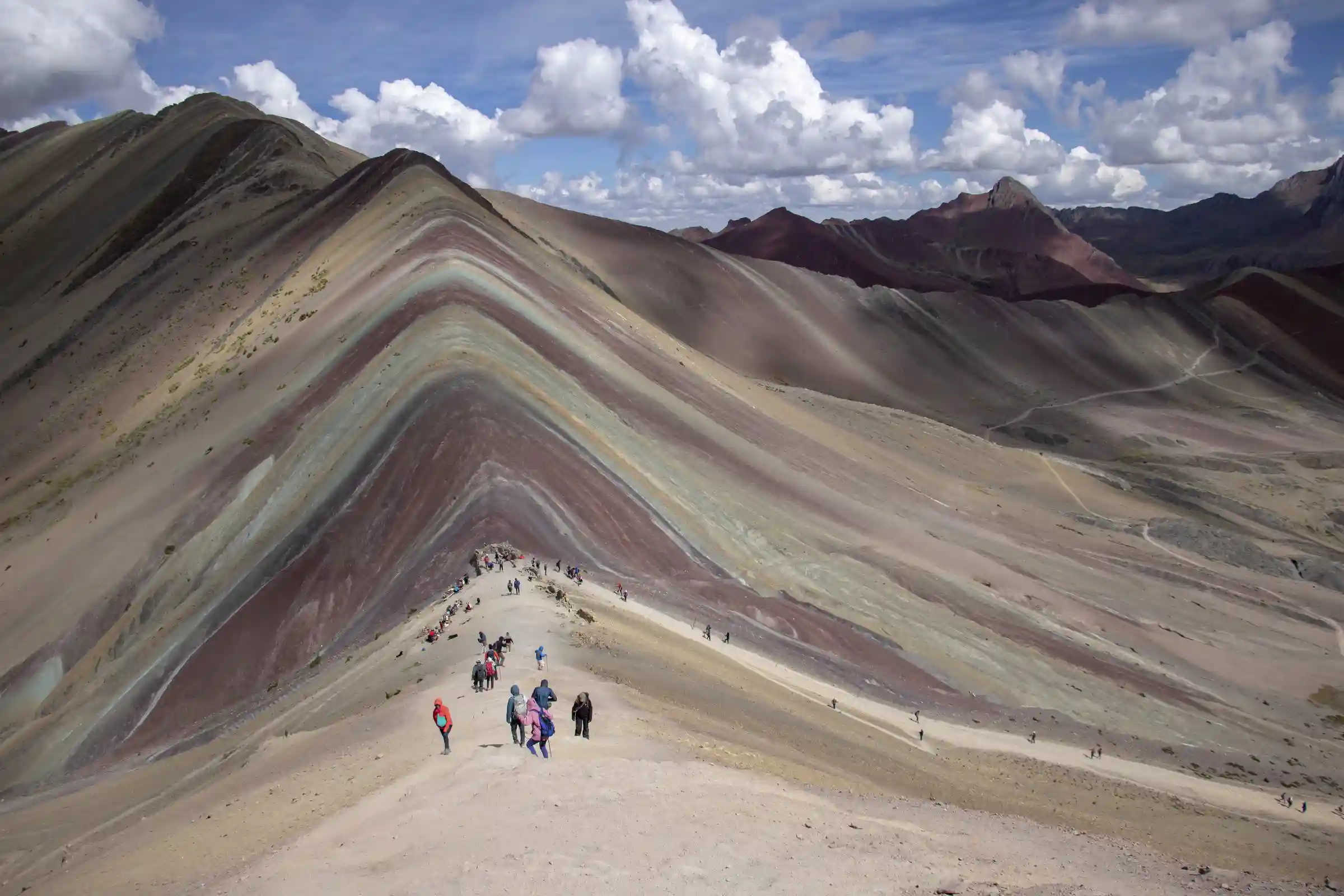
The Palccoyo Rainbow Mountain 1 Day Trek is one of the most beautiful and accessible natural experiences in the Cusco region of Peru. Located in the southern Andes, Palccoyo is
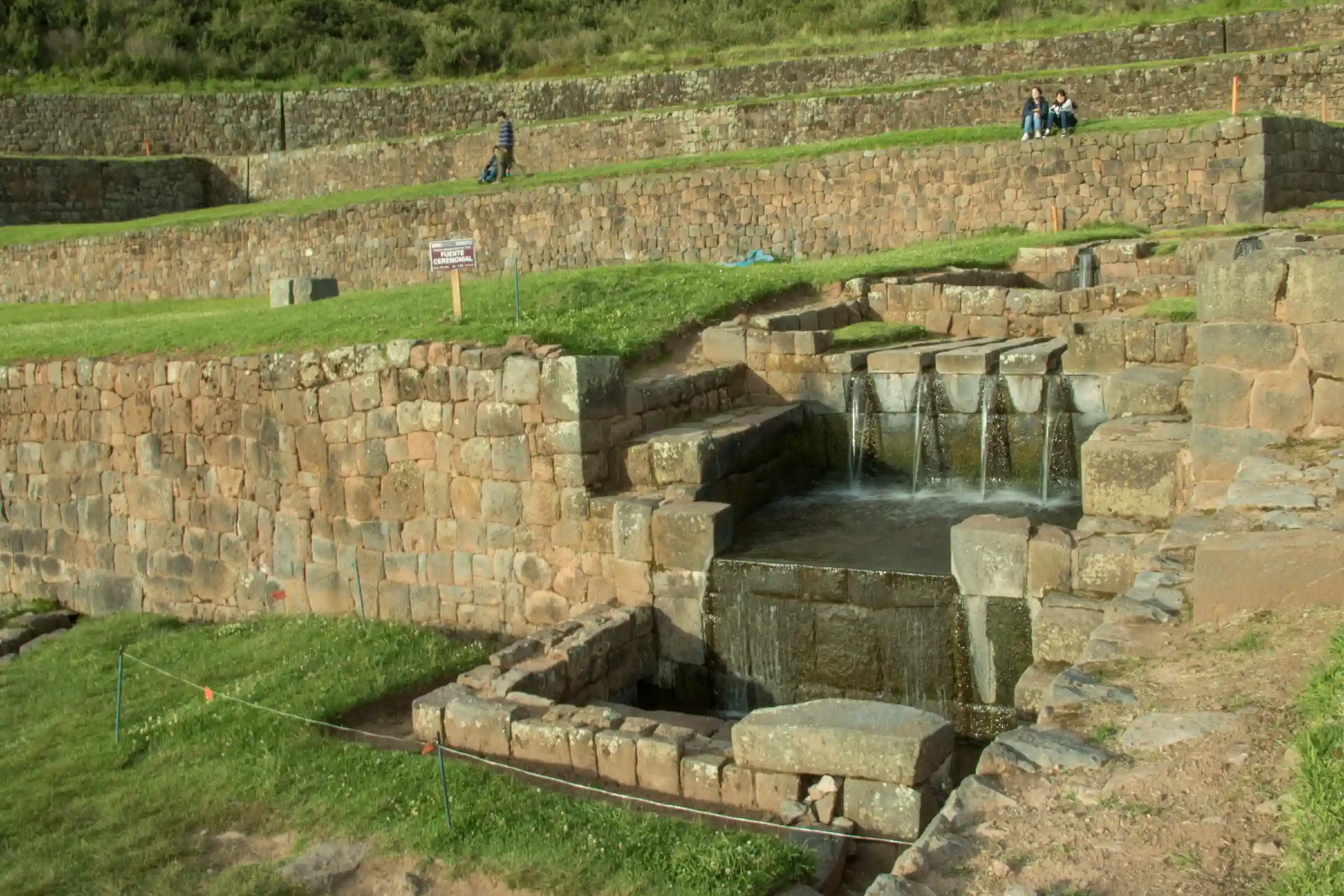
The Wakra Pukara Tour is a full-day trip that combines hiking, history, and local culture. Wakra Pukara, which means “Horned Fortress” in Quechua, is an impressive Inca archaeological site located
Inca time, big net roads trails bridges link all empire South America. Where trails cross deep Andes cuts, hang bridges made local grass plant fibers let runners go no stop
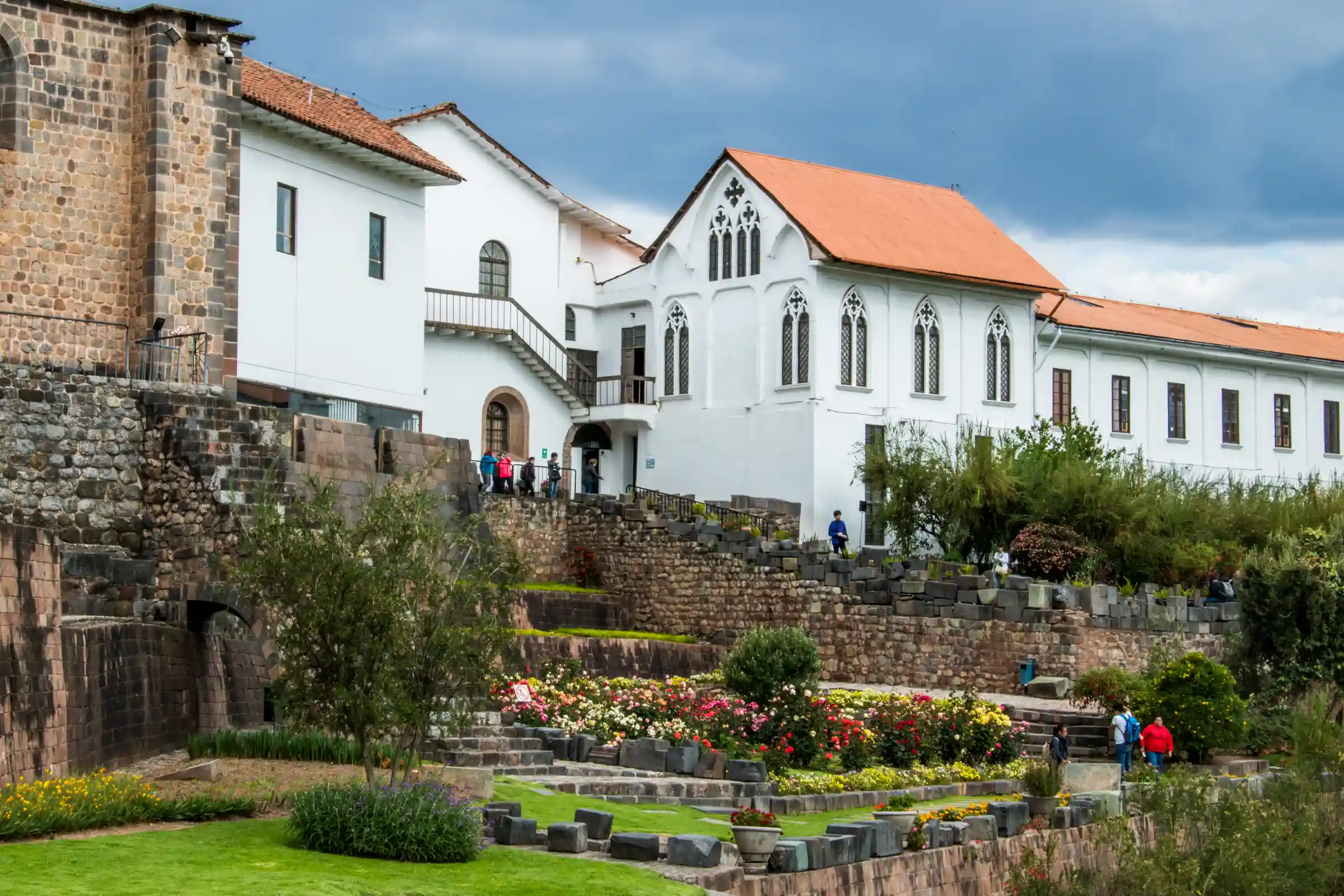
The City Trip Cusco 1 Day is the perfect introduction to one of the most fascinating historic cities in South America. Known as the former capital of the Inca Empire,